Dental Implants Near Arboretum Austin | 2026 Patient Guide
Looking for dental implants near Arboretum Austin? Bedrock Dentistry offers guided surgery and full-service implant care. Call today to schedule a consultation.
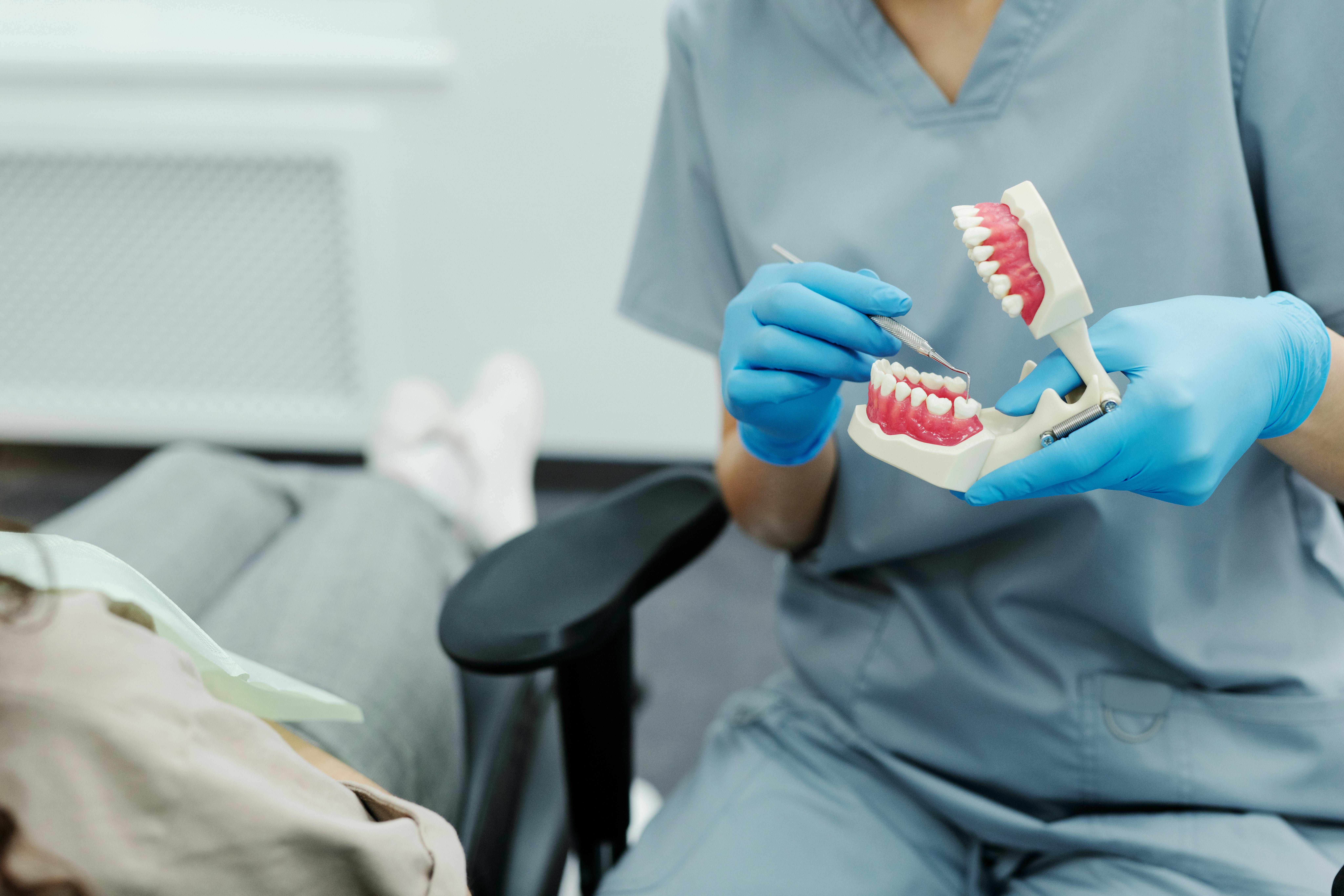
Missing teeth can affect everything from your confidence to your ability to enjoy your favorite foods. Fortunately, modern dentistry offers a powerful and lasting solution. Dental implants provide a permanent replacement that looks, feels, and functions just like your natural teeth. For those seeking dental implants near Arboretum Austin, Bedrock Dentistry provides state-of-the-art, comprehensive care right in your neighborhood. This guide will walk you through everything you need to know, from your first consultation to lifelong care.
Getting Started: Are Dental Implants Right for You?
Before diving into the procedure, it’s important to understand the basics and determine if you are a good candidate for treatment.
What Exactly Are Dental Implants?
A dental implant is a small, screw like post, typically made of biocompatible titanium, that acts as an artificial tooth root. It is surgically placed into the jawbone, where it fuses with the bone in a remarkable process called osseointegration. This fusion creates a stable and permanent foundation for a replacement tooth.
Implants have an impressive track record. Studies show that over 90% of implants remain successful even 10 to 15 years after they are placed. This high long term success rate has made them the gold standard for tooth replacement.
Who is a Good Candidate for Dental Implants?
Most healthy adults are potential candidates, but a thorough evaluation is necessary. Key factors include:
Sufficient Jawbone: You need enough bone volume to anchor the implant securely. Bone loss is common after a tooth is extracted, with studies showing that up to 63% of jaw width can be lost in the first six months.
Healthy Gums: Any active gum disease should be treated with scaling and root planing before implant surgery to ensure a healthy environment for healing.
Good Overall Health: Conditions like uncontrolled diabetes or heavy smoking can affect healing, but they don’t automatically disqualify you. Proper management can lead to successful outcomes.
Age itself is not a barrier. As long as you are healthy enough for a minor surgical procedure, you can be a candidate for dental implants.
The Benefits of Choosing Dental Implants
Compared to traditional dentures or bridges, dental implants offer several key advantages:
Preserves Your Jawbone: Implants stimulate the jawbone just like natural tooth roots, preventing the bone loss that gives the face a sunken appearance over time.
Feels and Functions Naturally: Because they are anchored in your bone, implants restore nearly 100% of your natural chewing power.
Protects Adjacent Teeth: A traditional bridge requires grinding down healthy neighboring teeth for support. An implant is a standalone solution that leaves your other teeth untouched.
A Lasting Solution: With proper care, dental implants can last for decades, often a lifetime, making them a very cost effective solution over time.
Your Journey to a New Smile: The Treatment Process
The path to getting a dental implant involves several carefully planned stages, all designed to ensure a predictable and successful outcome.
The Consultation and Assessment
Your first step is a comprehensive consultation. Expect a detailed oral exam and advanced 3D imaging, typically a cone beam CT (CBCT) scan. This scan creates a detailed 3D map of your jaw, allowing for precise measurement of bone and identification of important structures like nerves and sinuses. Your provider at Bedrock Dentistry will discuss your goals, review your medical history, and create a treatment plan tailored specifically to you.
Digital Treatment Planning
Using your 3D scan, your dental team will create a precise digital plan for your surgery. This virtual plan maps out the exact number, size, and position of each implant. Advanced software allows the surgeon to simulate the procedure on a computer, ensuring optimal placement while avoiding any surprises. This meticulous planning is a critical factor in the long term success of your treatment.
High Tech Precision: Robotic and Guided Surgery
To execute the digital plan with sub millimeter accuracy, many modern practices use surgical guides or robotic assistance. Systems like the FDA approved Yomi robot or the X Guide dynamic navigation system act like GPS for the surgeon’s drill. Bedrock Dentistry utilizes this type of advanced dynamic navigation to ensure implants are placed exactly according to the plan, leading to better results and often a faster, more comfortable surgery.
The Implant Surgery Procedure
Placing a dental implant is typically a quick outpatient procedure performed with local anesthesia. Many patients also opt for sedation dentistry to remain relaxed and comfortable. The surgeon makes a small incision in the gum, prepares the site in the bone, and inserts the titanium implant post. The area is then closed with a few stitches. Most people are surprised by how minimal the discomfort is, often describing it as easier than a tooth extraction.
Recovery and Follow Up Care
After surgery, a healing period of a few months is needed for the implant to fully integrate with your bone. You can expect minor swelling and soreness for a few days, which is easily managed with over the counter pain relievers. You will be given specific instructions, including eating a soft diet and keeping the area clean. Regular follow up visits allow your dentist to monitor the healing and ensure everything is progressing perfectly before the final tooth is attached.
Understanding the Components of a Dental Implant
A complete dental implant restoration is made of three main parts working together.
1. The Implant Post (Fixture)
This is the titanium screw that is placed in the jawbone. Its surface is often treated to create a texture that encourages bone cells to attach, speeding up and strengthening the osseointegration process. Once healed, this post becomes a permanent part of your jaw.
2. The Abutment (Connector)
The abutment is a small connector piece that is attached to the implant post after it has healed. It sits just above the gumline and serves as the mounting point for your new tooth. Abutments can be stock or custom made from titanium or tooth colored zirconia for optimal aesthetics.
3. The Dental Prosthesis (The New Tooth)
This is the visible part of your new tooth. Depending on your needs, the prosthesis could be:
A single crown to replace one tooth.
A dental bridge to replace several teeth in a row.
A full arch prosthesis to replace all teeth in the upper or lower jaw.
These restorations are crafted from durable, lifelike materials like porcelain or zirconia to match your natural teeth perfectly.
Solutions for Every Need: Types of Implant Restorations
Dental implants are incredibly versatile and can be used to solve a wide range of tooth loss issues.
Single and Multiple Tooth Implants
For a single missing tooth, one implant and one crown provide a seamless replacement (learn more about our single dental implants) without affecting neighboring teeth. If you have several teeth missing in a row, an implant-supported bridge is an excellent option. For example, two implants can support a three or four unit bridge, efficiently filling the gap with a fixed, stable solution.
Same Day Implants
In certain cases, a temporary tooth can be attached to the implant on the same day it is placed. This is often called “teeth in a day” or immediate loading. This approach requires good bone quality and excellent initial implant stability but can be a fantastic option for avoiding a gap in your smile, especially for front teeth.
Implant Supported Dentures
For those who wear dentures, implants can provide a life changing upgrade. An implant-supported denture (overdenture) is a removable denture that snaps securely onto two or more implants. This eliminates the slipping, sliding, and sore spots associated with traditional dentures, dramatically improving comfort and chewing ability.
Mini Dental Implants
Mini dental implants are smaller in diameter than conventional implants. They are often used in areas with narrow bone or to stabilize a denture with a less invasive procedure. While they may not be suitable for all situations, they can be a great, affordable solution for improving denture stability.
Full Mouth Restoration: All on X Dental Implants
For patients missing all of their teeth in an arch, All‑on‑X solutions offer a way to get a full set of fixed, non‑removable teeth.
All on 4, All on 6, and All on 8 Implants
The All on 4 concept uses four strategically placed implants to support a full bridge of 10 to 12 teeth. Two implants are placed vertically in the front, and two are tilted in the back to engage more bone, often avoiding the need for bone grafting. The All on 6 and All on 8 concepts use additional implants to provide even greater stability and load distribution, which can be beneficial in the softer bone of the upper jaw or for patients with strong bites.
The All on X Philosophy
“All on X” is a modern, patient centric term that means the treatment is customized to you. The “X” represents the ideal number of implants needed for your specific anatomy and goals. Whether it’s four, five, or six implants, the goal is the same: to provide you with a stable, beautiful, and long lasting full arch of teeth. For those looking into a full mouth solution with dental implants near Arboretum Austin, a personalized consultation is the best way to determine the right “X” for you.
Advanced Techniques for Complex Cases
Even if you’ve been told you don’t have enough bone for implants, advanced procedures can often make treatment possible.
Bone Grafting and Ridge Augmentation
Bone grafting is a common procedure used to rebuild the jawbone where it has shrunk. Material is added to the deficient area to create a solid foundation for the implant. A sinus lift is a specific type of bone graft that adds bone to the upper back jaw, below the sinus. These procedures are highly successful and can open the door to implant treatment for many patients.
Zygomatic and Pterygoid Implants
For cases of severe bone loss in the upper jaw, special long implants can be used. Zygomatic implants anchor into the dense cheekbone (zygoma), while pterygoid implants anchor into a solid bone plate at the very back of the jaw. These advanced techniques can often eliminate the need for extensive grafting procedures.
Nerve Repositioning
In very rare cases of extreme bone loss in the lower jaw, the nerve that provides feeling to the lip and chin may be too high for implant placement. A delicate procedure can be performed to gently move the nerve aside, creating space to place the implants safely.
Protecting Your Investment for a Lifetime
Caring for your dental implants is straightforward and essential for their long term success.
Implant Maintenance and Hygiene
You should brush and floss your implants just like natural teeth. Special tools like water flossers or interdental brushes can help clean around implant bridges and full arch restorations. Just like natural teeth can get gum disease, implants can develop a similar condition called peri‑implantitis if plaque is allowed to build up.
Regular professional cleanings are crucial. During these visits, your hygienist will use special instruments that won’t scratch the implant surfaces. They will also check the health of your gums and bone to catch any potential issues early. With diligent home care and regular checkups, your implants can truly last a lifetime.
Finding Dental Implants Near Arboretum Austin at Bedrock Dentistry
Choosing the right team for your implant treatment is one of the most important decisions you’ll make. At Bedrock Dentistry, we provide comprehensive, state of the art implant care in a comfortable and convenient setting.
Your North Austin Implant Center
Bedrock Dentistry is a one stop center for all your dental needs. We combine the expertise of a general and cosmetic dentist with a board certified periodontist and implant surgeon under one roof. This means your entire implant journey, from 3D imaging and surgery to the final beautiful restoration, is handled by a coordinated team in a familiar environment. We are proud to offer advanced technology like dynamic surgical navigation and a full digital workflow to ensure the highest level of precision and care for patients seeking dental implants near Arboretum Austin.
Our Location and Contact Information
Our modern, welcoming office is conveniently located in the North Austin Arboretum area.
Address: 4505 Spicewood Springs Rd, Suite 100, Austin, TX 78759.
Phone: (512) 660-5008.
Feel free to call our friendly team to schedule your personalized consultation.
Directions From The Arboretum
Getting to our office from the Arboretum shopping center is simple. Just head west on Spicewood Springs Road for about 2.5 miles. You will pass through the intersection with Mesa Drive, and our office complex will be on your right hand side, just before Hart Lane. We are in Suite 100 on the ground floor, with plenty of free and accessible parking available.
Ready to take the first step toward a healthier, more confident smile? Contact Bedrock Dentistry today to schedule your implant consultation and discover what’s possible.
Frequently Asked Questions About Dental Implants
How long do dental implants last?
With proper care and regular dental checkups, dental implants can last for decades, and often for a lifetime. The crown or bridge attached to the implant may need to be replaced due to normal wear after 10 to 15 years, but the implant post itself is a permanent fixture.
Is the dental implant procedure painful?
The surgery is performed under local anesthesia, so you will not feel any pain during the procedure. Post operative discomfort is typically mild and can be compared to that of a simple tooth extraction. It is usually well managed with over the counter pain medication.
What is the cost of dental implants near Arboretum Austin?
The cost varies widely depending on the number of implants, the type of final restoration, and whether any preparatory procedures like bone grafting are needed. If you’re uninsured, explore our VIP membership plans for predictable preventive care and discounts. A detailed consultation and treatment plan will provide you with a clear breakdown of the costs involved for your specific case.
Am I too old for dental implants?
There is no upper age limit for dental implants. Overall health is a much more important factor than age. Many patients in their 80s and even 90s have successfully received dental implants.
How do I care for my dental implants?
You care for them much like your natural teeth, with daily brushing and flossing. It is also essential to attend regular professional cleanings and checkups to ensure the gums and bone around the implant remain healthy.
What happens if I don’t have enough bone for an implant?
If you lack sufficient bone, procedures like bone grafting or a sinus lift can be performed to rebuild the area and create a solid foundation for the implant. Advanced options like zygomatic implants may also be considered in cases of severe bone loss.