Comprehensive Dental care in Austin
Amazing care for amazing smiles
Ready to experience top-tier dental care?
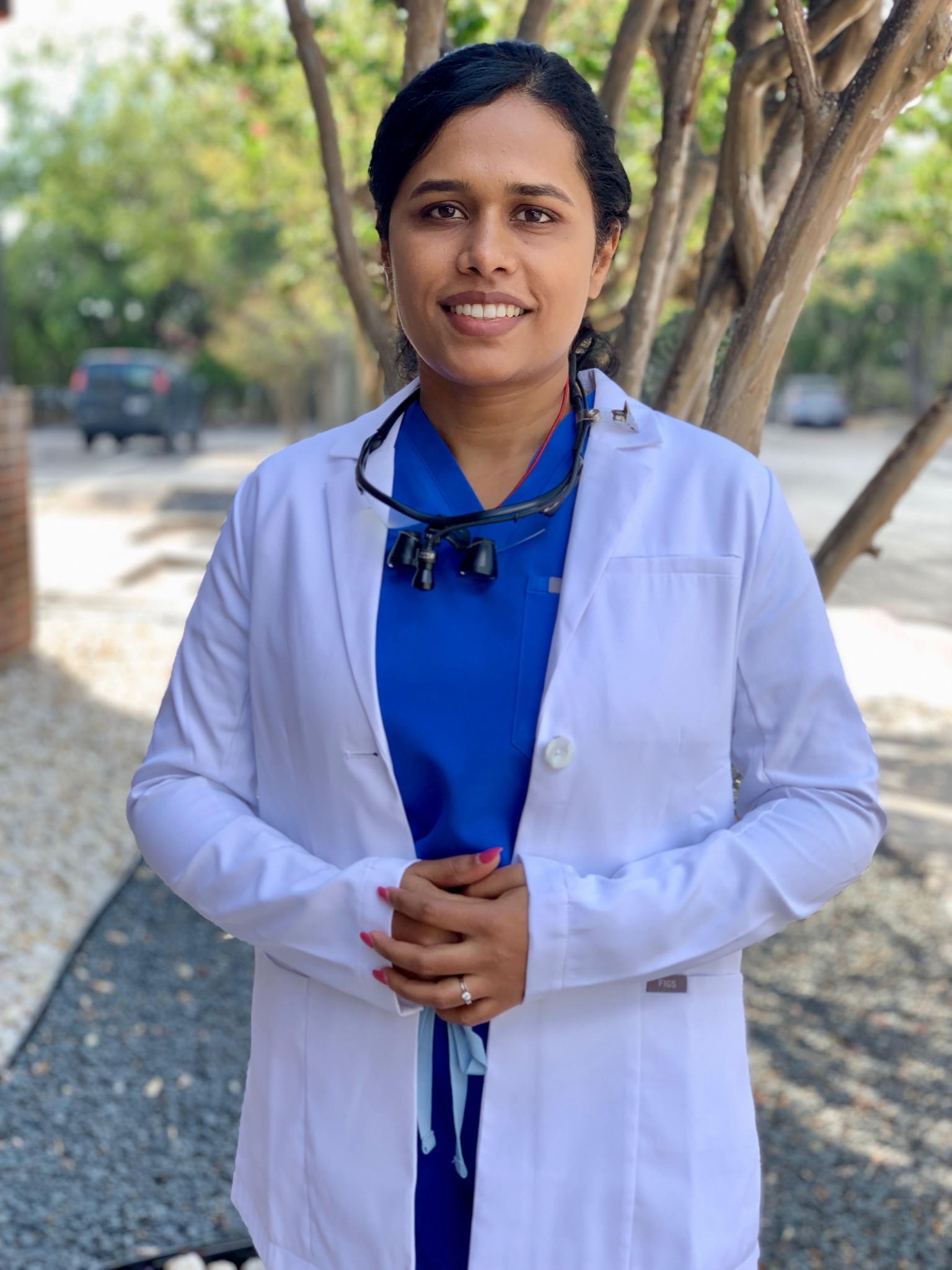
Dr. Ashwin Nambisan, Dr. Rajani Bhore and our warm Bedrock Dentistry team are here to welcome you and make you smile more confidently!

90+ Reviews 4.9 Star Average
Introduction
Bedrock Dentistry =
General Dentistry + Specialty

Why choose us:
We are dedicated to providing exceptional dental care that prioritizes your comfort, convenience, and lasting results. Here’s what makes us stand out:
State-of-the-Art Technology for Treatments
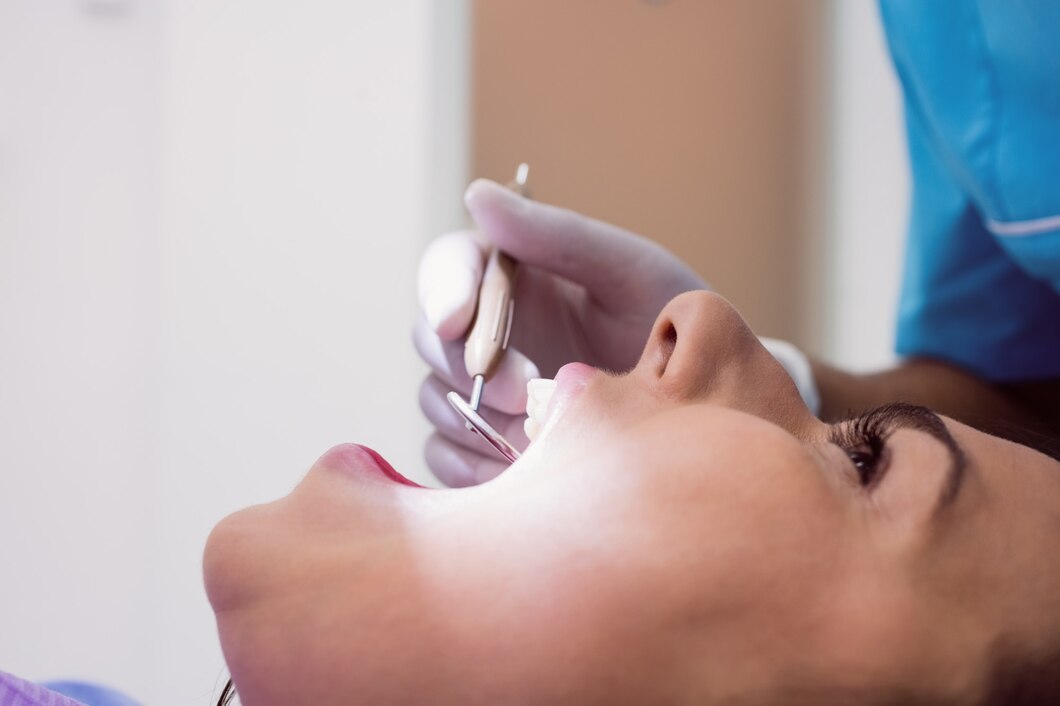
Comprehensive First Visit
Sedation Options Available

Personalized Dental Solutions
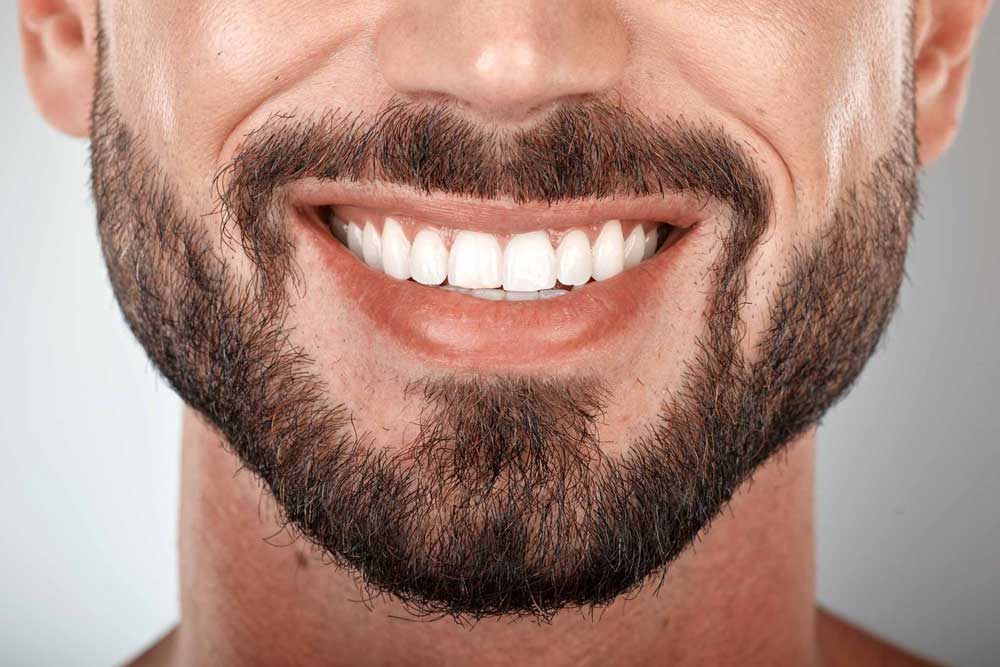
Cosmetic Dentistry Services


Implant Dentistry Services
Features
Delivering more than just dental care & ideas

Preventive care
Regular checkups and cleanings help maintain optimal oral health and prevent potential issues.

Advanced technology
Our state-of-the-art equipment ensures precise diagnostics and effective treatments for every patient.

Cosmetic solutions
Transform your smile with teeth whitening, veneers, and other advanced aesthetic treatments.

Emergency care
Immediate assistance for dental emergencies, ensuring your comfort and quick resolution of urgent issues.

Personalized treatments
Every service is tailored to meet your unique dental needs, ensuring the best possible noted outcomes.

Family-friendly services
We provide comprehensive care for patients of all ages, making us the perfect choice for your family.





How It Works
The process of achieving dental excellence

01
Schedule your visit
Book an appointment at your convenience through our easy scheduling system, and we’ll ensure a hassle-free experience from the start.
02
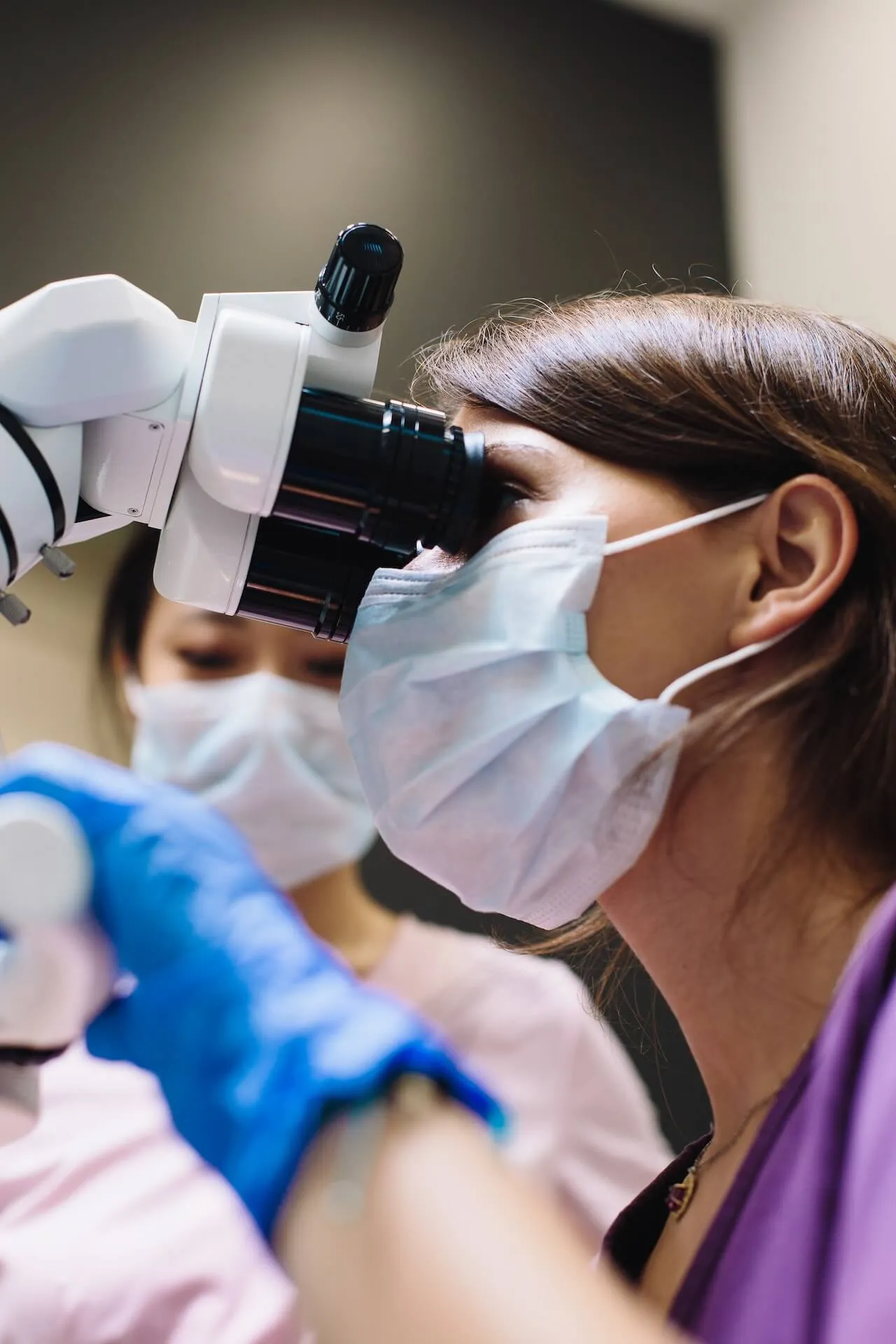
Personalized consultation
Meet with our expert dental team to discuss your needs, goals, and tailored treatment options designed just for you.

03
Begin your journey
Dental knowledge and practices continually evolve perfectly match your goals of treatment complications with early intervention.
FAQ
Answers to your most common concerns
What dental services do you offer?
Bedrock Dentistry provides comprehensive dental care in Austin, Texas, combining general dentistry, advanced periodontics, and cosmetic treatments under one roof. Our services include routine dental checkups and cleanings, composite fillings, porcelain crowns and bridges, dental implants (single implants, implant bridges, and All-on-X full-arch restoration), emergency dentistry for urgent dental problems, cosmetic dentistry including veneers and clear aligners (Invisalign/ClearCorrect), professional teeth whitening with Fotona TouchWhite laser technology, periodontal treatments (gum disease therapy, scaling and root planing, osseous surgery, gum grafting), laser periodontal therapy with Fotona Lightwalker, frenectomy procedures (tongue-tie and lip-tie release), and peri-implantitis treatment. Our team specializes in both routine preventive care and complex surgical procedures, ensuring you receive expert treatment for all your dental needs in one convenient Austin location.
How often should I visit the dentist?
Most patients should visit the dentist every six months (twice yearly) for routine checkups and professional cleanings to maintain optimal oral health and catch problems early. However, your ideal frequency depends on your individual risk factors. Patients with gum disease, history of frequent cavities, dental implants, or chronic health conditions like diabetes may need more frequent visits every 3-4 months to prevent complications. Children, pregnant women, and smokers also benefit from more frequent monitoring. During your visit, we assess your oral health status and recommend a personalized maintenance schedule. Regular visits prevent small problems from becoming expensive emergencies—catching cavities when they're small, treating gum disease before bone loss occurs, and identifying oral cancer early when it's most treatable.
Do you accept my dental insurance?
Yes, Bedrock Dentistry accepts most major dental insurance plans, including PPO plans from providers like Delta Dental, Cigna, Aetna, MetLife, Guardian, United Healthcare, and many others. We're happy to verify your specific coverage, explain your benefits, and maximize your insurance to reduce out-of-pocket costs. Our team will submit claims directly to your insurance company and help you understand what portion your plan covers versus your responsibility. For procedures not fully covered by insurance, we offer flexible payment plans and financing options through third-party lenders. Even if you don't have dental insurance, we provide transparent pricing and affordable payment solutions. Contact our Austin office at your convenience, and our insurance coordinators will verify your benefits before your appointment so there are no surprises.
What should I expect during my first dental visit?
Your first visit to Bedrock Dentistry begins with completing health history forms (arrive 10-15 minutes early or complete forms online beforehand). We'll take digital X-rays to evaluate bone levels, check for cavities, and assess overall dental health. Your comprehensive examination includes checking all teeth for decay, cracks, and wear; evaluating gum health and measuring periodontal pocket depths; oral cancer screening of tongue, cheeks, and throat; bite analysis and TMJ assessment; and review of any existing dental work. We'll discuss your dental concerns, goals, and any symptoms you're experiencing. If you have anxiety about dental visits, let us know—we create a comfortable, judgment-free environment. After your exam, we'll explain our findings using visual aids and digital images, recommend any necessary treatment, and answer all your questions. For routine cases, we often perform your cleaning the same day. Complex cases may require a separate treatment planning appointment where we discuss options, costs, and timeline in detail.
How much does a dental cleaning cost?
The cost of a dental cleaning in Austin varies based on the type of cleaning needed and your insurance coverage. A routine adult prophylaxis (standard cleaning for healthy gums) typically ranges from $75-$200 without insurance. However, if you have gum disease, you may need scaling and root planing (deep cleaning), which costs more because it's a therapeutic procedure requiring more time and specialized techniques. Most dental insurance plans cover routine cleanings at 100% twice per year, with no out-of-pocket cost to you. For patients without insurance, we offer transparent pricing and can provide an exact quote before your appointment. Additional costs may include necessary X-rays (typically covered annually by insurance) and fluoride treatments. We'll review all costs before performing any service, and our team can discuss payment plans if needed to make dental care affordable.
What are the signs I need emergency dental care?
Seek immediate emergency dental care if you experience severe, persistent tooth pain that doesn't respond to over-the-counter pain medication; facial swelling, especially if accompanied by fever (may indicate serious infection); knocked-out tooth (bring the tooth in milk and call immediately—timing is critical); broken or fractured tooth with sharp edges cutting your tongue or cheek; uncontrolled bleeding from gums or mouth lasting more than 10 minutes; abscess or pus-filled bump on gums; jaw injury or suspected jaw fracture; lost filling or crown causing severe sensitivity; or orthodontic wire or bracket causing injury. Our Austin emergency dental team provides same-day urgent appointments for dental emergencies. For after-hours emergencies, call our office—our emergency line provides guidance and can arrange immediate care when needed. Don't wait with severe dental pain or trauma—prompt treatment prevents complications and often saves teeth that might otherwise be lost.
Can you fix a chipped or broken tooth?
Yes, we offer several solutions to repair chipped or broken teeth depending on the size and location of the damage. For minor chips on front teeth, composite bonding sculpts tooth-colored resin directly onto the tooth in one visit, providing immediate cosmetic improvement. For larger fractures, porcelain veneers cover the entire front surface of the tooth with a thin ceramic shell that looks completely natural. When significant tooth structure is lost or the tooth is weakened, a dental crown (cap) covers and protects the entire tooth. For severely broken teeth, root canal treatment may be needed first to save the tooth before restoration. If the tooth cannot be saved, dental implants provide permanent replacement. Dr. Rajani Bhore will examine your tooth, take X-rays to assess the extent of damage, and recommend the best treatment to restore function and appearance. Most repairs can be completed in 1-2 visits, and we'll ensure your repaired tooth blends seamlessly with your natural smile.
Do you offer teeth whitening?
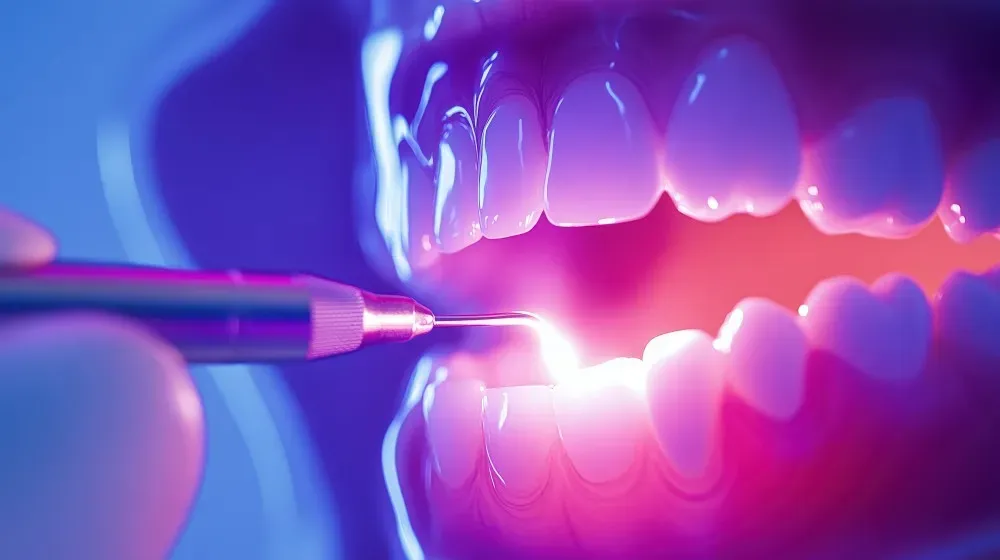
Yes, we provide professional teeth whitening treatments in Austin using advanced Fotona TouchWhite laser-assisted whitening technology. This state-of-the-art system achieves dramatically whiter teeth (6-8 shades lighter) in just one comfortable office visit, typically 60-90 minutes. Unlike traditional whitening systems like Zoom that cause significant sensitivity and enamel dehydration, our Fotona TouchWhite uses water-cooled Er:YAG laser activation that keeps enamel hydrated throughout treatment, resulting in minimal to no sensitivity. The laser enhances whitening gel effectiveness, allowing us to use lower chemical concentrations while achieving superior results. We also offer custom take-home whitening trays for patients who prefer gradual whitening over 2-3 weeks. Professional whitening is safe for enamel when performed correctly and provides longer-lasting results (12-24 months) than over-the-counter products. During your consultation, Dr. Bhore evaluates your enamel health, existing restorations, and sensitivity risk to ensure optimal whitening results safely.
What is a dental implant?
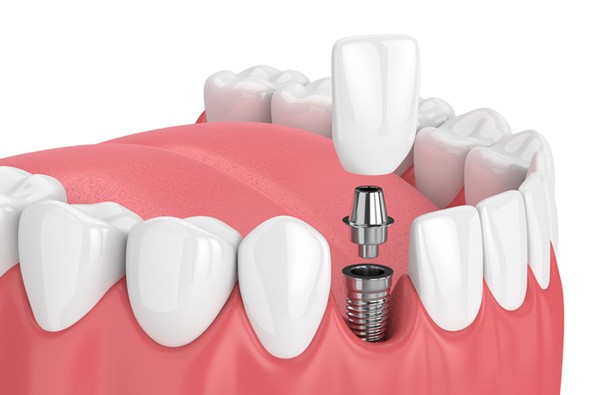
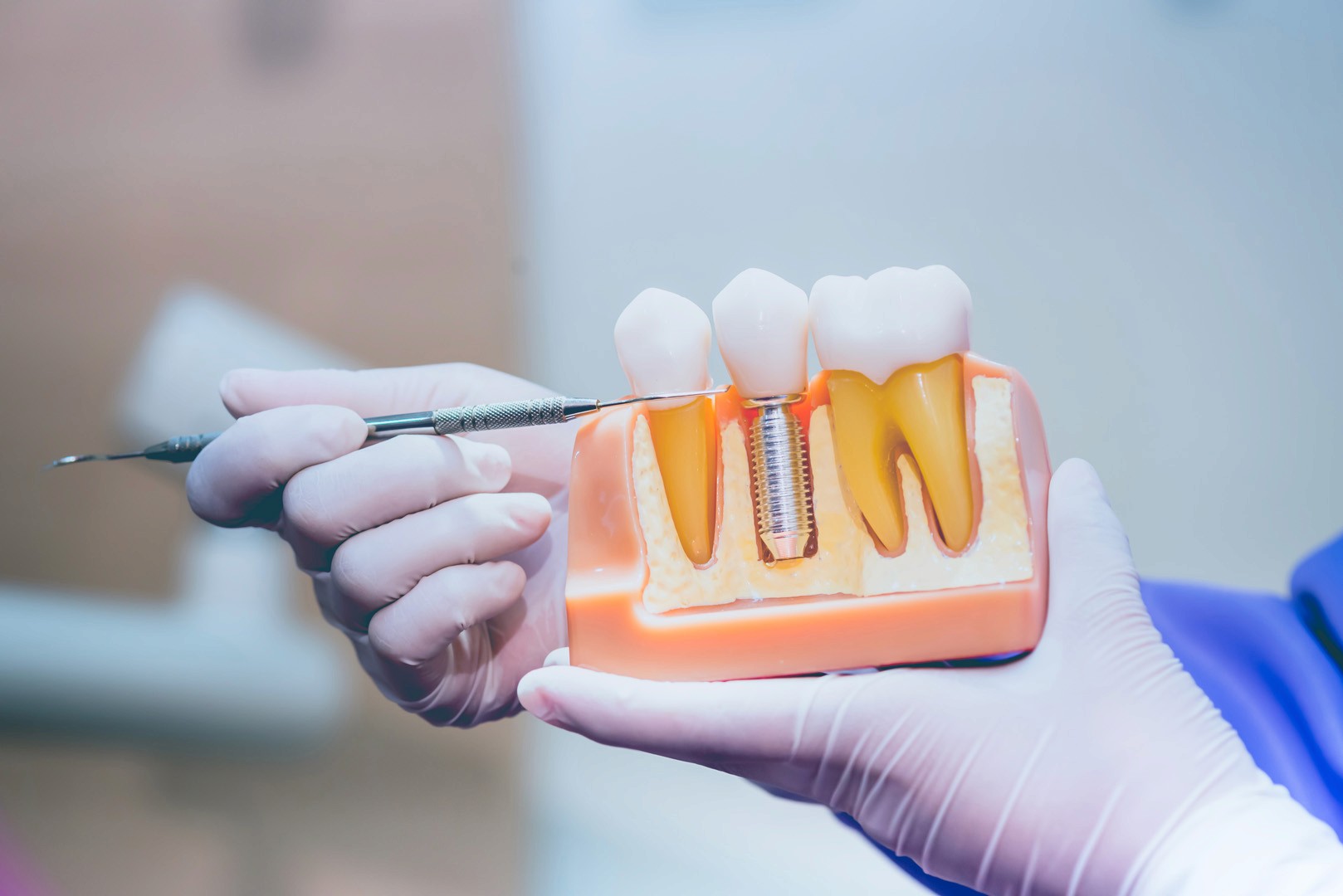
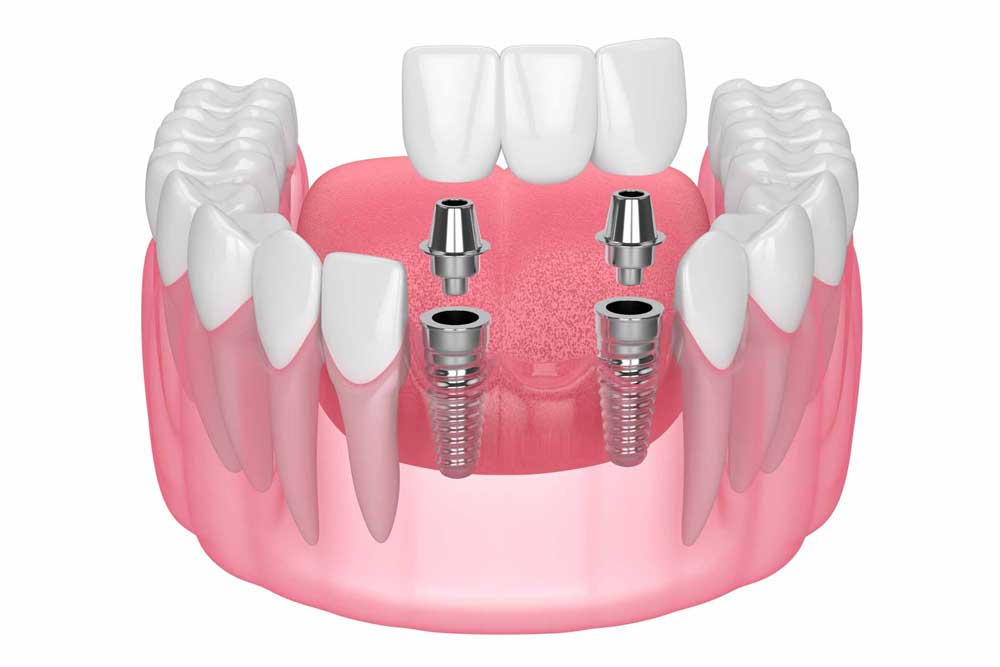
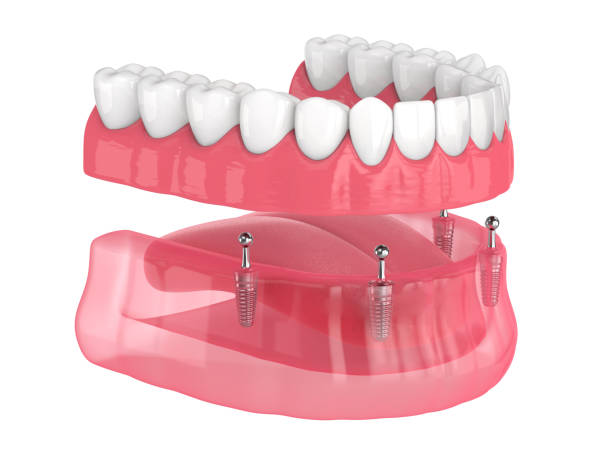
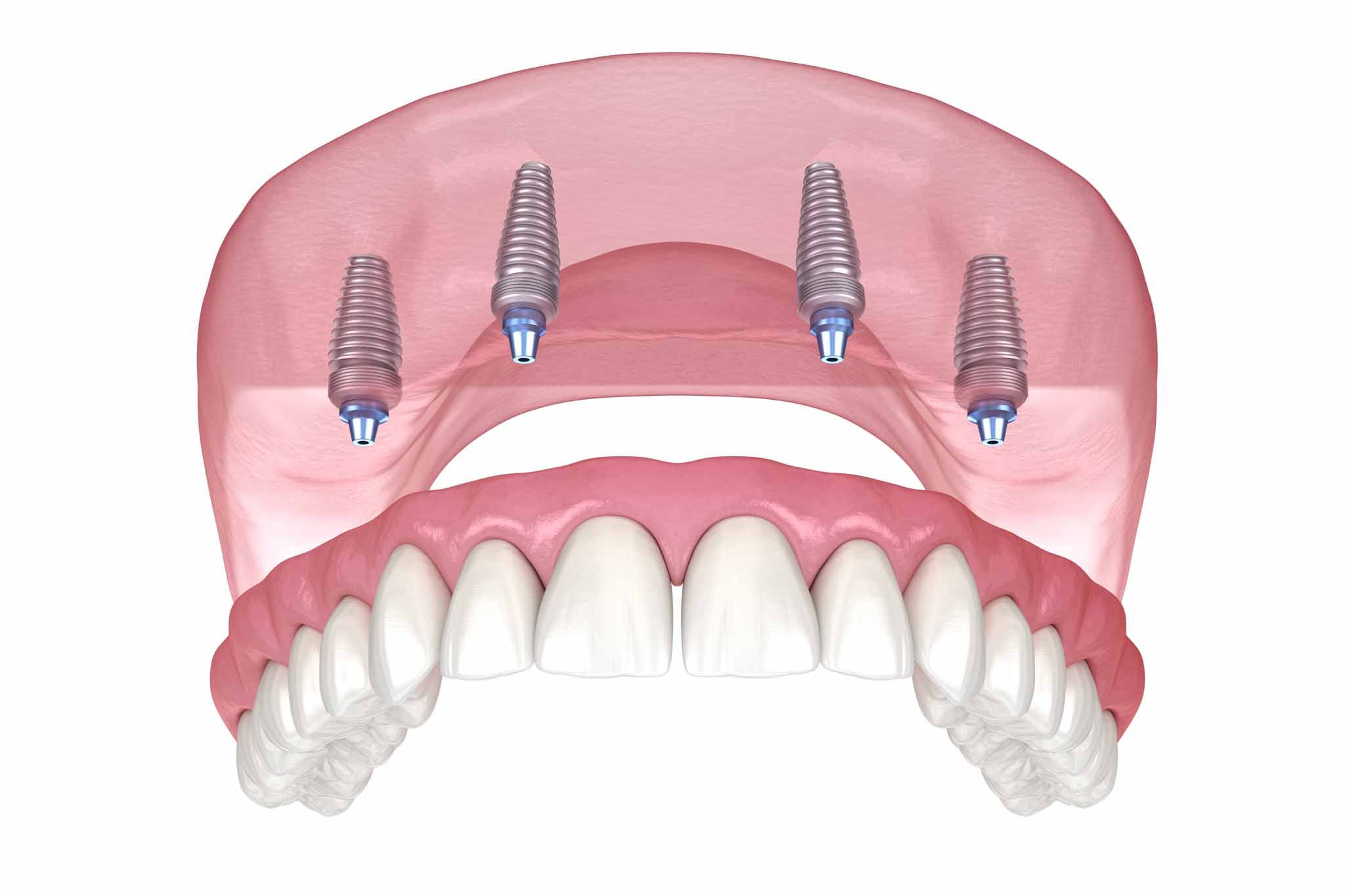
A dental implant is a permanent, artificial tooth root made of biocompatible titanium that is surgically placed into your jawbone to replace a missing tooth. The implant consists of three parts: the titanium post (implant) that integrates with your jawbone through a process called osseointegration, the abutment connector that attaches to the implant, and the custom crown (visible tooth) that looks and functions like a natural tooth. Unlike bridges that require grinding down adjacent teeth or dentures that sit on your gums, dental implants are independent restorations that don't affect neighboring teeth. Implants prevent bone loss by stimulating the jawbone just like natural tooth roots, restore full chewing ability (about 90% of natural bite force), look completely natural, and last decades with proper care. We offer single dental implants to replace one tooth, implant-supported bridges for multiple missing teeth, implant-supported dentures (overdentures) for improved denture stability, and All-on-X full-arch restoration to replace all teeth in an arch. Our periodontal specialist, Dr. Ashwin Nambisan uses advanced CBCT 3D planning to ensure precise implant placement for optimal long-term success.
How long do dental implants last?
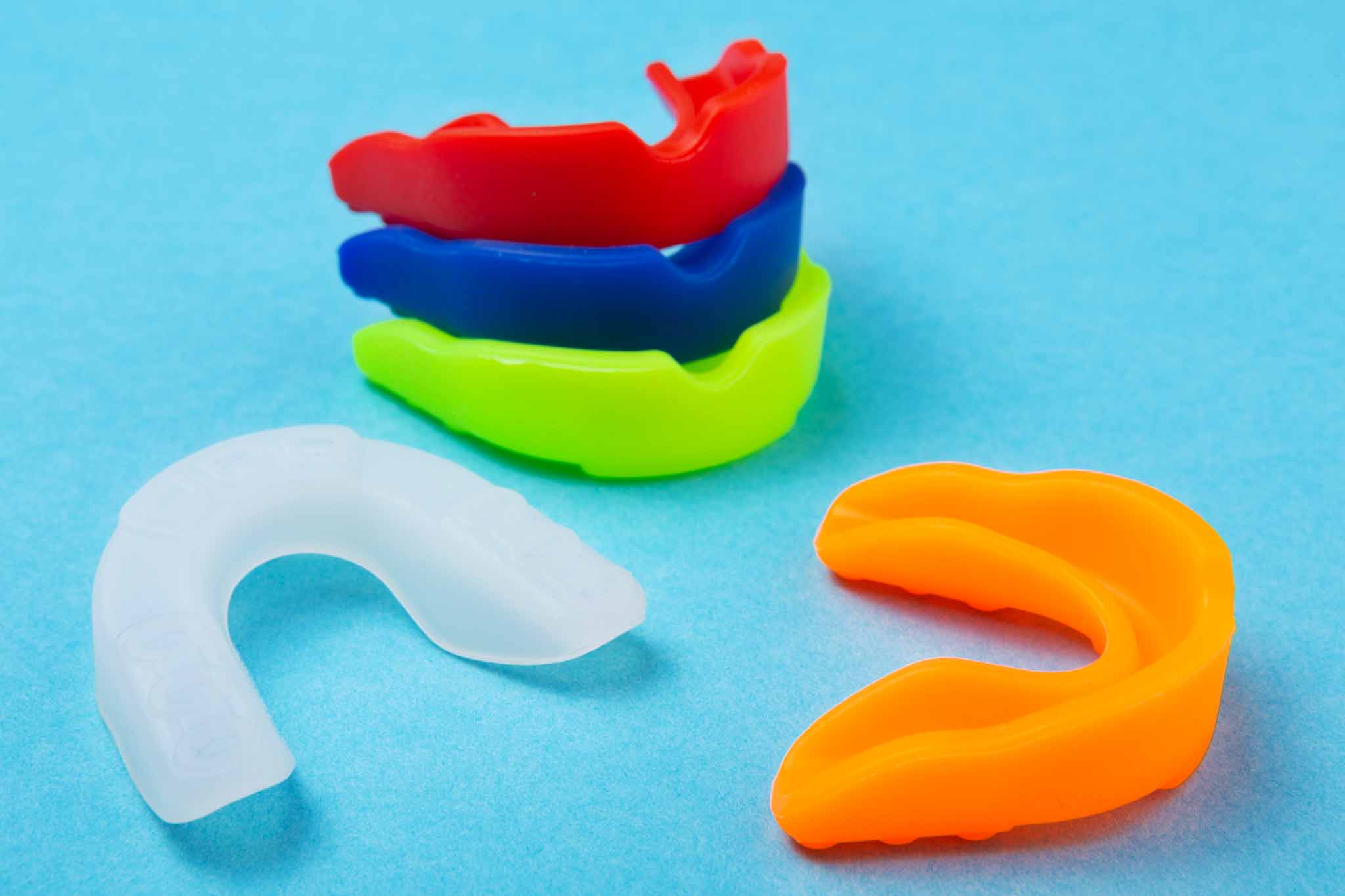
With proper care and regular maintenance, dental implants can last 25+ years or even a lifetime, making them the most durable tooth replacement option available. The titanium implant post itself integrates permanently with your jawbone and rarely fails once fully healed. The crown attached to the implant may eventually need replacement due to normal wear after 15-20 years, but the implant foundation remains stable. Implant longevity depends on several factors: excellent oral hygiene (brushing, flossing, and cleaning around implants daily), regular professional maintenance every 3-4 months to prevent peri-implantitis (gum disease around implants), not smoking (smoking significantly increases implant failure risk), wearing a nightguard if you grind teeth, and addressing any health conditions like uncontrolled diabetes that affect healing. Studies show dental implant success rates of 95-98% at 10 years, far exceeding bridges (10-15 years average) or dentures (5-7 years). This exceptional longevity makes implants a valuable long-term investment in your oral health and quality of life.
What is the difference between a crown and a filling?
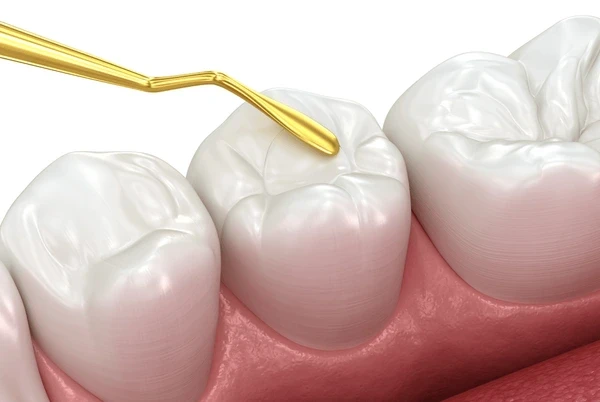
A filling and a crown both restore damaged teeth but differ in extent of coverage and when they're used. A filling repairs small to moderate cavities or minor tooth damage by removing decay and filling the space with composite resin (tooth-colored) or other material. Fillings are placed in one visit, require minimal tooth removal, cost less, and work well when most of the tooth structure remains healthy. A crown (cap) completely covers the entire visible portion of a tooth from the gum line up, protecting and strengthening severely damaged, cracked, or weakened teeth. Crowns are needed when decay is too extensive for a filling, after root canal treatment (teeth become brittle), for fractured teeth with significant structure loss, or to restore worn teeth. Crowns require more tooth preparation, take two visits (temporary then permanent crown), cost more than fillings, but provide superior strength and protection for compromised teeth. Dr. Rajani Bhore will examine your tooth and recommend whether a filling or crown is appropriate based on how much healthy tooth structure remains and the location/function of the tooth.
Do you treat children?
Yes, we welcome children and provide pediatric dental services in Austin for patients of all ages, starting from 5 years through teenagers. Our pediatric services include routine dental checkups and cleanings, fluoride treatments to strengthen developing enamel, dental sealants to protect cavity-prone back teeth, cavity fillings using tooth-colored composite, early orthodontic evaluation, habit counseling (thumb sucking, pacifier use), and dental education teaching proper brushing and flossing techniques. We create a comfortable, friendly environment that helps children feel safe and builds positive associations with dental care. Starting dental visits early establishes good oral hygiene habits, catches problems like early childhood cavities before they become serious, and allows us to monitor proper tooth and jaw development. For children needing tongue-tie or lip-tie release (frenectomy), we use gentle Fotona Lightwalker laser treatment that minimizes discomfort and speeds healing. Our goal is to set your child up for a lifetime of excellent oral health through prevention, education, and positive dental experiences.
What is gum disease?
Gum disease (periodontal disease) is a bacterial infection of the gums and bone that support your teeth, ranging from mild inflammation to serious bone loss that causes tooth loss. It begins as gingivitis—red, swollen gums that bleed when brushing or flossing, caused by plaque buildup along the gum line. If untreated, gingivitis progresses to periodontitis, where bacteria spread below the gum line, creating infected pockets between gums and teeth that destroy the bone holding teeth in place. Signs of gum disease include bleeding gums, persistent bad breath, receding gums making teeth look longer, loose or shifting teeth, pus between teeth and gums, and painful chewing. Gum disease is the leading cause of adult tooth loss and is linked to serious health problems including heart disease, diabetes complications, stroke, and pregnancy complications. Risk factors include smoking, poor oral hygiene, genetics, diabetes, stress, and certain medications. Regular dental visits catch gum disease early when it's reversible. We treat gum disease with scaling and root planing (deep cleaning), Fotona Lightwalker laser periodontal therapy for advanced cases, osseous surgery and bone grafting when needed, and ongoing periodontal maintenance to prevent recurrence.
How can I prevent cavities?
Preventing cavities requires daily habits and regular professional care. Brush your teeth twice daily (morning and before bed) for two minutes using fluoride toothpaste and a soft-bristle toothbrush, making sure to brush all surfaces including along the gum line where cavities often start. Floss daily to remove plaque and food between teeth where your toothbrush can't reach—this is where most cavities develop in adults. Limit sugary and acidic foods and beverages (soda, sports drinks, candy, dried fruit) that feed cavity-causing bacteria; if you consume them, rinse with water afterward. Drink fluoridated tap water which strengthens tooth enamel throughout the day. Chew sugar-free gum containing xylitol after meals to stimulate saliva production (saliva neutralizes acids and remineralizes teeth). Visit your dentist every six months for professional cleanings to remove hardened tartar you can't remove at home and for early cavity detection when treatment is simpler and less expensive. Consider dental sealants (protective coating) on back teeth, especially for children. Avoid frequent snacking which creates constant acid exposure—eat meals then give teeth time to recover. These simple habits dramatically reduce cavity risk and keep your smile healthy for life.
What should I do if I lose a tooth?
If you lose a permanent tooth due to injury, immediate action significantly improves the chance of saving it. Pick up the tooth by the crown (chewing surface) only—never touch the root. If the tooth is dirty, rinse it gently with milk or saline (not tap water) for 10 seconds maximum; don't scrub or remove any attached tissue. Try to reinsert the tooth into its socket immediately if possible and hold it in place by gently biting on gauze. If you can't reinsert it, place the tooth in a container of cold milk, your saliva (keep it between your cheek and gums), or saline solution—never store in water or wrap in tissue. Call our Austin dental office immediately—every minute counts, and the best chance of saving the tooth is reimplanting within 30 minutes. We provide emergency dental services and will see you right away. If the tooth cannot be saved or is already lost, we offer permanent replacement options including dental implants (best long-term solution), dental bridges (fixed restoration supported by adjacent teeth), or partial dentures (removable option). Acting quickly can mean the difference between saving your natural tooth or needing replacement, so don't delay—contact us immediately for emergency care.
Are electric toothbrushes better than manual?
Electric toothbrushes can be more effective at removing plaque and reducing gingivitis compared to manual brushing for most people because they provide consistent brush stroke speed, built-in timers ensuring you brush for the full two minutes, and some models have pressure sensors preventing excessive force. Studies show electric brushes remove 21% more plaque and reduce gingivitis 11% more than manual brushes. However, proper technique matters more than brush type—a manual toothbrush used correctly twice daily for two minutes is perfectly effective. That said, if you have thin gums (thin gingival biotype) or existing gum recession, you may need to be more careful with electric toothbrushes. The high-speed vibrations and rotating motions can cause additional gum recession if used with too much pressure or aggressive technique, especially along the gum line where tissue is delicate. For patients with thin gums or recession, we often recommend using a soft manual toothbrush with gentle circular motions at the gum margins, avoiding aggressive horizontal scrubbing that causes further recession. If you prefer an electric brush, choose one with a pressure sensor, use the gentlest setting, and let the brush do the work without pressing hard. We'll evaluate your gum tissue during your exam and provide personalized brushing recommendations for your specific anatomy.
What is a root canal?
A root canal is a dental procedure that saves a severely infected or damaged tooth by removing the infected nerve and pulp tissue from inside the tooth, cleaning and disinfecting the inner chambers, then sealing the space to prevent reinfection. You need a root canal when the pulp (soft tissue containing nerves and blood vessels inside your tooth) becomes infected due to deep decay reaching the nerve, cracks or fractures exposing the pulp, repeated dental procedures on the same tooth, or trauma. Symptoms indicating you may need a root canal include severe tooth pain that worsens with pressure or temperature, prolonged sensitivity to hot or cold, tooth discoloration (darkening), swelling and tenderness in nearby gums, or a pimple-like bump on the gums (abscess). During the procedure, the area is numbed completely so you feel no pain. The dentist creates a small access opening in the tooth, removes the infected tissue using specialized instruments, thoroughly cleans and shapes the inner canals, fills the canals with a rubber-like material (gutta-percha), and seals the access opening. Most root canals are completed in one visit and cause no more discomfort than getting a filling. After a root canal, the tooth becomes brittle and requires a crown for protection and strength. Root canals have a 95% success rate and allow you to keep your natural tooth for many years, avoiding extraction and the need for implants or bridges.
How do I prepare for a dental appointment?
Preparing for your dental appointment ensures a smooth, efficient visit. Bring your photo ID, dental insurance card (if applicable), and a list of all medications you currently take including dosages—many medications affect dental treatment. If you're a new patient, arrive 10-15 minutes early to complete health history forms, or better yet, complete them online before your appointment through our patient portal. Brush and floss before your appointment to remove surface debris, making the exam and cleaning more effective. Eat a light meal beforehand since certain procedures may require numbing that makes eating difficult for several hours afterward. If you have dental anxiety, let our team know when scheduling so we can discuss sedation options and plan extra time to make you comfortable. Write down any questions or concerns about your teeth so you don't forget to ask. Bring a list of any symptoms you've been experiencing (pain, sensitivity, bleeding) including when they occur and what triggers them—this helps us diagnose problems accurately. If you're coming for a specific treatment, ask beforehand if you'll be numb afterward so you can plan your schedule accordingly. Our goal is to make every visit comfortable and productive, so don't hesitate to communicate your needs and concerns.
Can I get my teeth cleaned if I have sensitive gums?
Yes, absolutely—we routinely clean teeth for patients with sensitive gums and use gentle techniques specifically designed to minimize discomfort. Gum sensitivity can result from gum disease, gum recession exposing root surfaces, thin gum tissue, or naturally sensitive teeth. We adapt our cleaning approach for sensitive patients by using ultrasonic scalers with adjustable power settings (gentler vibrations), hand instruments with light pressure for delicate areas, desensitizing gel applied before cleaning to numb sensitive spots, taking breaks during cleaning if you need them, and using warm water instead of cold to reduce temperature sensitivity. If your gums are severely inflamed from gum disease, they may bleed and feel tender during cleaning, but this improves significantly as your gum health improves with regular care. After your cleaning, we can recommend desensitizing toothpaste (containing potassium nitrate), fluoride treatments to strengthen enamel and reduce sensitivity, proper brushing technique to avoid further gum recession, and potentially prescription-strength products for severe sensitivity. For patients with extreme anxiety or sensitivity, we can discuss sedation options. Don't avoid cleanings due to sensitivity—regular professional cleanings actually improve gum health and reduce sensitivity over time by removing irritating plaque and tartar buildup.
What causes bad breath?
Bad breath (halitosis) has several causes, most related to oral bacteria. The most common cause is poor oral hygiene—bacteria breaking down food particles trapped between teeth and on the tongue release sulfur compounds that smell foul. Other oral causes include gum disease (infected pockets harbor odor-causing bacteria), dry mouth (reduced saliva allows bacteria to multiply; caused by medications, mouth breathing, or dehydration), tongue coating (bacteria accumulate on the rough tongue surface, especially toward the back), cavities and food traps, tonsil stones (calcified deposits in tonsil crypts), and poorly cleaned dentures or dental appliances. Systemic causes include certain foods (garlic, onions, coffee), smoking and tobacco use, acid reflux (stomach acid in throat), sinus infections, respiratory infections, diabetes (produces fruity-smelling breath), and liver or kidney disease. To prevent bad breath: brush teeth twice daily and your tongue once daily (bacteria hide in tongue papillae), floss daily to remove food between teeth, stay hydrated by drinking water throughout the day, avoid tobacco, limit odor-causing foods, chew sugar-free gum to stimulate saliva, and visit your dentist regularly for professional cleanings and to treat gum disease or cavities. If bad breath persists despite good oral hygiene, see us for evaluation—it may indicate gum disease or other health issues requiring treatment. Fresh breath starts with a healthy mouth.
How do I know if I need a filling?
You may need a filling if you experience tooth pain or sensitivity, especially when eating sweet, hot, or cold foods; visible holes, pits, or dark spots on tooth surfaces; rough or broken areas you can feel with your tongue; food consistently getting stuck in the same spot; or sharp pain when biting down. However, many cavities develop without symptoms, especially in early stages—this is why regular dental checkups are essential for catching cavities before they cause pain. During your exam, Dr. Bhore checks for cavities by visually inspecting all tooth surfaces, probing teeth with specialized instruments to detect soft spots indicating decay, taking X-rays to find cavities between teeth or under existing fillings where they're not visible, and using cavity detection tools when needed. If decay is detected, we'll show you the cavity on X-rays or with intraoral photos, explain treatment options (usually a tooth-colored composite filling), and schedule treatment promptly before the cavity grows larger. Untreated cavities don't heal themselves—they progressively enlarge, eventually reaching the nerve and causing severe pain, abscess, or tooth loss. Small cavities are quick, inexpensive, and comfortable to fill; large cavities may require root canals or crowns. Don't wait for pain—schedule regular checkups so we can treat cavities when they're small and preserve maximum tooth structure.
What are the benefits of Invisalign?
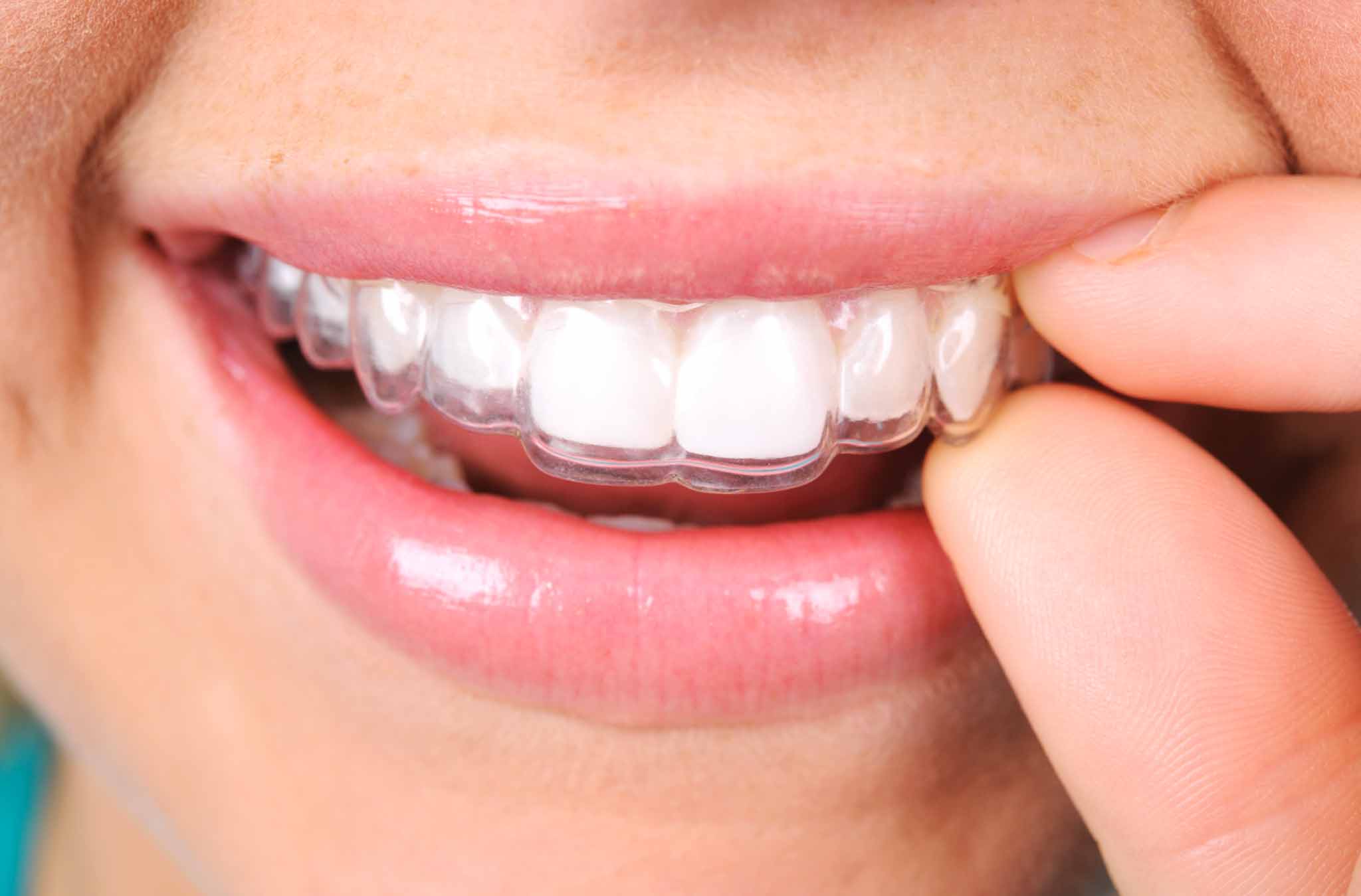
Invisalign (and similar systems like ClearCorrect) offers clear aligner treatment to straighten teeth with significant advantages over traditional metal braces. The primary benefits include virtually invisible appearance—clear plastic aligners are nearly undetectable, perfect for adults and image-conscious teens who want to straighten teeth discreetly without obvious metal braces. Aligners are removable, allowing you to eat anything without dietary restrictions (no avoiding popcorn, apples, sticky foods like with braces), remove them for important photos or events, and maintain excellent oral hygiene by brushing and flossing normally without navigating around brackets and wires. Invisalign is more comfortable—smooth plastic aligners don't have sharp metal brackets or wires that irritate cheeks and lips, and there are no emergency visits for broken brackets. Treatment is often faster than traditional braces for mild to moderate cases (typically 6-18 months), with fewer office visits (every 6-8 weeks instead of monthly adjustments). The digital treatment plan shows you exactly what your final smile will look like before starting. Invisalign effectively treats crowded teeth, gaps, overbites, underbites, crossbites, and crooked teeth. Dr. Rajani Bhore evaluates your specific case and creates a personalized treatment plan showing step-by-step tooth movement. The main requirement is discipline—you must wear aligners 20-22 hours daily for results. Contact us to see if Invisalign is right for you.
Do you offer payment plans?
Yes, Bedrock Dentistry offers flexible payment plans and financing options to make dental care affordable for Austin families. We understand dental treatment can represent a significant investment, and we work with you to find payment solutions that fit your budget. For patients with dental insurance, we maximize your benefits and file claims on your behalf, with you paying only your estimated portion. For out of pocket costs or procedures not covered by insurance, we offer third party patient financing through Sunbit, Proceed finance, Cherry and Care Credit which allows you to spread costs over several months. These are low interest or interest free monthly payments for a certain period (subject to credit approval). Many patients use Health Savings Accounts (HSA) or Flexible Spending Accounts (FSA) to pay for dental treatment with pre-tax dollars, reducing overall cost. We provide detailed treatment estimates before beginning work so you know exactly what to expect, and our financial coordinators explain all payment options clearly without pressure. Our philosophy is that financial concerns should never prevent you from getting necessary dental care—we'll work with you to create an affordable payment solution. Contact us to discuss your specific situation and available options.
How can I reduce dental anxiety?
Dental anxiety is common, and we specialize in creating a comfortable, stress-free environment for anxious patients at our Austin office. Several strategies help reduce anxiety: communicate your fears—tell our team about specific concerns (pain, sounds, loss of control, past bad experiences) so we can address them directly. We'll explain each step before we do it, use hand signals so you can pause treatment anytime, and take breaks whenever you need. Start with simple visits like cleanings to build trust and positive experiences before tackling more complex procedures. Bring headphones and listen to music or podcasts during treatment to block dental sounds that trigger anxiety. Practice relaxation techniques like deep breathing (breathe in slowly for 4 counts, hold for 4, exhale for 4) or progressive muscle relaxation before and during your appointment. Schedule morning appointments when you're less likely to spend all day worrying. For moderate anxiety, we offer nitrous oxide (laughing gas)—a safe, mild sedative you breathe through a nose mask that creates relaxation while keeping you conscious and able to respond; effects wear off quickly so you can drive home. For severe anxiety or lengthy procedures, we can discuss oral sedation, IV sedation and General Anesthesia options with Anesthesiologists. Many anxious patients find that modern dentistry is far different from childhood memories—today's techniques, anesthetics, and technologies make treatment comfortable. Give us a chance to earn your trust—we're committed to changing your perception of dental care.
What are the risks of dental implants?
Dental implants have a 95-98% success rate, but like any surgical procedure, they carry some risks—though serious complications are rare when performed by experienced specialists. Potential risks include infection at the implant site (peri-implantitis), usually preventable with proper oral hygiene and regular maintenance; nerve damage causing temporary or rarely permanent numbness, tingling, or pain in lips, chin, tongue, or gums if implants are placed too close to nerves (avoided through proper CBCT 3D planning); sinus problems if upper jaw implants penetrate the maxillary sinus cavity (treatable, and prevented with proper planning and sinus lift procedures when needed); implant failure to integrate with bone (osseointegration failure), occurring in about 2-5% of cases, more common in smokers, diabetics, or patients with insufficient bone quality; damage to adjacent teeth if implants are placed too close to natural tooth roots (prevented by precise 3D planning); and jaw fracture in rare cases when extensive bone grafting weakens the jaw temporarily. Factors that increase risk include smoking (significantly increases failure rates), uncontrolled diabetes, gum disease, insufficient bone quality or volume, poor oral hygiene, teeth grinding without protective nightguard, and certain medications (bisphosphonates for osteoporosis). Before implant treatment, our periodontal specialists thoroughly review your medical history, take detailed CBCT scans, assess all risk factors, and explain personalized risks and benefits. Proper planning, surgical expertise, and patient compliance with post-operative care minimize complications dramatically, making implants one of the safest and most predictable tooth replacement options available.
What will happen if I hit my tooth by accident? Can it be saved?
When you hit a front tooth, what you do in the first minutes to hours can make the difference between saving it and losing it. Here’s how that fits in with everything we already discussed about repairs and esthetic implants, from “emergency now” to long‑term planning. Right away: if you just hit the tooth If you’ve had a fall, accident, or sports injury and the tooth is still in your mouth: Check if the tooth moved: If it feels loose, pushed forward, backward, or “longer/shorter” than before, avoid touching it, pushing it, or biting on it. Do not try to “wiggle it back into place” yourself. Control bleeding: Gently bite on clean gauze or a damp washcloth to control bleeding, but avoid pressure directly on the injured tooth if it’s loose. Keep it cold and calm: Use a cold pack on the lip/cheek outside the area to reduce swelling. Avoid hot drinks, hard foods, and smoking or vaping. Call the office immediately and tell us you had a trauma and the tooth is loose, moved, or broken. We treat that as urgent. If the tooth is chipped or broken but not loose If the tooth edge is broken but the tooth itself feels stable: Rinse gently with lukewarm water to clean the area. If you find the broken piece, place it in milk or saline (or even your cheek pouch if nothing else is available) and bring it with you; sometimes we can bond it back. Avoid biting with that tooth until we’ve checked it. We’ll examine the tooth, take X‑rays (and often a CBCT for deeper or suspicious fractures), and decide whether simple bonding, a crown, or more advanced treatment is needed. If the tooth is loose or pushed out of position A tooth that is “wiggly” or looks like it changed position needs immediate care to have a chance of being saved: Do not bite or clench your teeth together to “test” it. Do not pull at it with your fingers or tongue. If it is only slightly out of place and not fully displaced, we will gently reposition it and stabilize it with a small, flexible splint bonded to the neighboring teeth. Dr. Rajani Bhore will evaluate the mobility, check for root fractures, and determine if the nerve is likely to recover or if it will need future root canal therapy. The earlier we see you, the better our chances of saving the tooth and keeping it stable and esthetic. If the whole tooth falls out (knocked‑out tooth) If an adult front tooth is completely knocked out (avulsion), time is absolutely critical: Find the tooth and pick it up by the crown (the white part), not the root. If it’s dirty, gently rinse it with saline or milk for a few seconds—do not scrub or scrape it. Best option: if you are conscious and it’s safe, gently place the tooth back into the socket in the correct orientation and bite softly on gauze to hold it there. If you cannot re‑insert it, place it immediately in: Milk, or Saline, or A tooth preservation kit if available, or As a last resort, inside your cheek (unless there is a risk of swallowing). Come to the office or an emergency dentist immediately—ideally within 30–60 minutes. In some cases, we can replant the tooth, stabilize it with a splint, and monitor it over time. Even if long‑term prognosis is guarded, replantation can preserve bone and gums and may delay the need for an implant.
What if I already have a dentist?
If you have a dentist you want to stay with: Dr. Nambisan can coordinate closely with your dentist. He performs the surgical parts (extraction if needed, bone grafting, implant placement, and any gum grafting). Your own dentist completes the restorative work, such as temporary and final crowns, following the shared, restorative‑driven plan. This gives you specialist‑level trauma and implant care while keeping your existing relationship with your general dentist.