Sedation Dentistry Austin, TX: Options, Safety & Costs
Discover Sedation Dentistry Austin options—nitrous, oral and IV—benefits, safety, costs, and candidacy. Relax through care. Schedule a consult today.
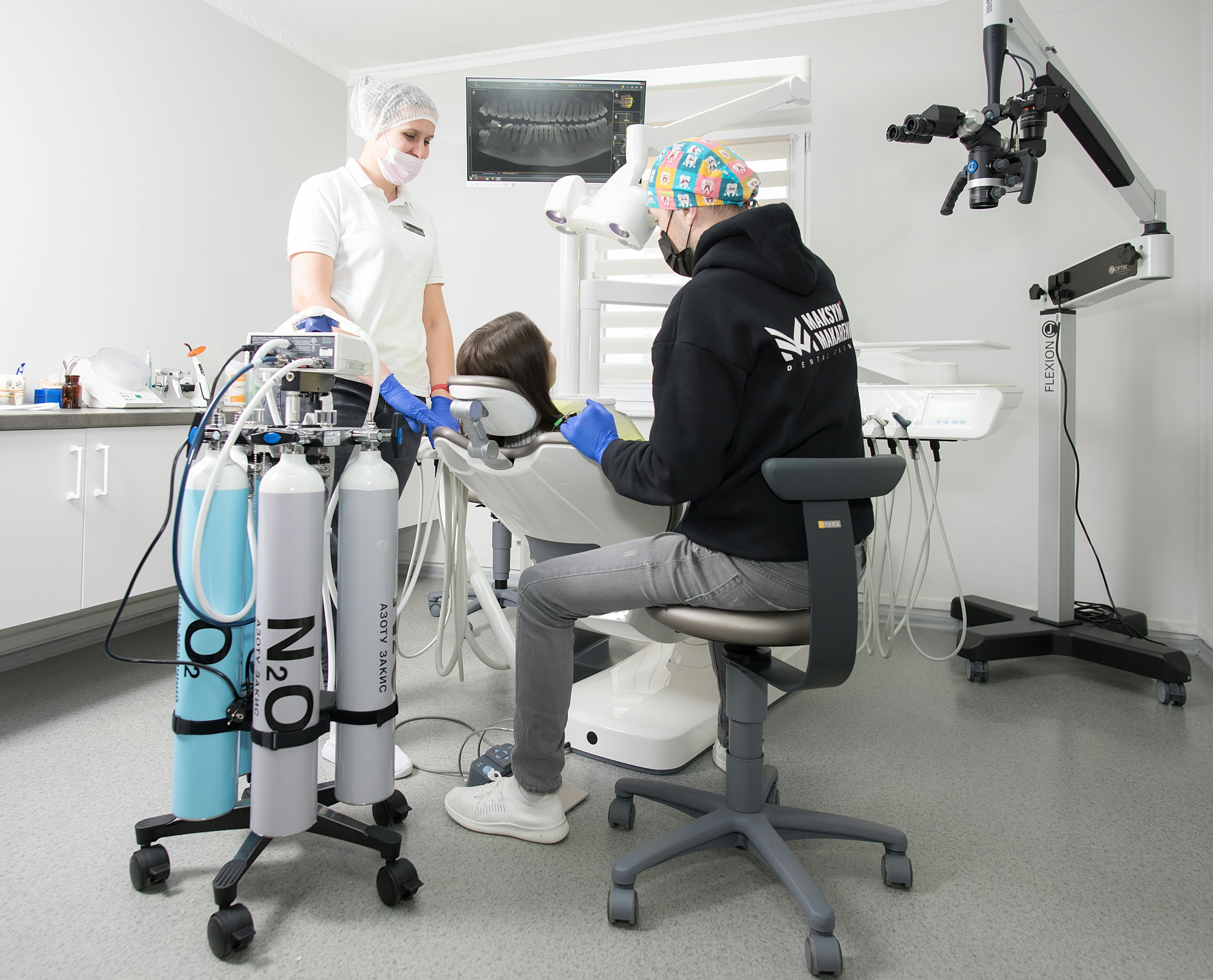
Does the thought of a dental appointment make your heart race? You are not alone. A significant number of people, around 30 percent, avoid visiting the dentist specifically because of fear. If anxiety has kept you from getting the care you need, it is time to learn about a solution that is changing how people experience dental care: sedation dentistry Austin.
This approach uses safe, calming medications to help you relax during procedures. It removes the fear factor, allowing you to get everything from a simple cleaning to complex surgery done without stress.
What is Sedation Dentistry and How Does It Help?
In essence, sedation dentistry Austin involves using sedative medications to place you in a calm and relaxed state during your dental appointment. It is not about being knocked out completely (unless you are under general anesthesia). Instead, the goal is to ease your anxiety so the dentist can work efficiently while you remain comfortable.
The biggest benefit is a completely anxiety free experience. For many, a long or intimidating procedure can feel like it only lasted a few minutes. This relaxed state also allows your dentist to accomplish more work in a single session. Instead of four separate appointments for a smile makeover, it might all be done in one extended visit. This saves you time and helps you avoid the cycle of dental avoidance that leads to bigger problems down the road.
Are You a Good Candidate for Sedation Dentistry?
Sedation dentistry Austin is a fantastic option for a wide range of patients. You might be a great candidate if you experience:
Severe dental anxiety or phobia: This is the most common reason people seek out sedation.
An overactive gag reflex: Sedation can calm this reflex, making treatment much smoother.
A low pain threshold: While you will still be numbed, sedation helps you feel less sensitive overall.
Trouble sitting still: For those with anxiety or conditions like ADHD, sedation can make it easier to remain calm in the chair.
Need for long or complex procedures: If you need wisdom teeth removed or multiple implants placed (such as an All-On-X full-arch treatment), sedation helps you get it all done at once without feeling overwhelmed.
Special needs: Sedation dentistry opens the door for individuals with cognitive or physical disabilities to receive care in a safe, controlled manner.
The team at Bedrock Dentistry provides oral and IV sedation to help anxious patients and others get through their appointments comfortably and safely.
Understanding the Different Levels of Sedation
With sedation dentistry Austin, there are several types of sedation, and your dentist will help you choose the one that best fits your anxiety level and the procedure you need.
Nitrous Oxide (Laughing Gas)
This is the lightest form of sedation and is great for mild anxiety. You breathe a colorless, slightly sweet gas through a small nose mask. Within minutes, a wave of relaxation washes over you.
How it feels: You will feel calm and maybe a little tingly or light, but you remain completely awake and able to talk to your dentist.
Recovery: The effects wear off just as quickly as they begin. After breathing pure oxygen for about 5 to 10 minutes, the gas is cleared from your system, and you can even drive yourself home.
Safety: Nitrous oxide is extremely safe and is a common option in about 70 percent of dental practices that offer sedation.
Oral Conscious Sedation
For moderate anxiety, a simple pill can make all the difference. This involves taking a prescribed anti anxiety medication, like Valium or Halcion, about an hour before your appointment. Oral sedation is the most popular sedation method in the United States and Canada for managing dental fear because it is easy and effective.
How it feels: You will feel deeply relaxed and drowsy. You are still conscious and can respond to your dentist, but your anxiety fades away.
Amnesic Effect: A major plus is that you will likely have little to no memory of the procedure afterward, which is a huge benefit for those with past dental trauma.
Recovery: You cannot drive after taking an oral sedative. You must arrange for someone to take you to and from your appointment.
IV Sedation (Twilight Sleep)
Intravenous (IV) sedation offers a deeper level of relaxation for patients with severe anxiety or those undergoing extensive dental work. The sedative is delivered directly into your bloodstream for an almost immediate effect.
How it feels: This moderate sedation puts you on the very edge of consciousness. Many people doze off and feel like they slept through the entire procedure.
Control: A key advantage is that the dentist can adjust the level of sedation instantly, making it perfect for longer or more complex treatments like implant placements or gum surgeries.
Recovery: Just like oral sedation, you will need a designated driver and should plan to rest for the rest of the day.
General Anesthesia
This is the deepest level of sedation, where you are completely unconscious. General anesthesia is rarely used in a typical dental office and is reserved for major oral surgeries or for patients with extreme needs who cannot be treated otherwise. It requires an anesthesiologist and is often performed in a hospital or surgical center.
Your Sedation Dentistry Austin Appointment: Step by Step
Knowing what to expect can ease any remaining nerves. Here is a typical walkthrough of a sedation dentistry Austin appointment.
First, your dentist will provide pre appointment instructions. This almost always includes fasting, which means no food or drink for about six to eight hours before your visit. This is a critical safety step to prevent aspiration (stomach contents entering the lungs).
When you arrive, the team will get you settled and review your health history. The sedation will be administered (a mask for nitrous, or a small IV line for IV sedation). You will quickly feel relaxed and drowsy.
During the procedure, you will be constantly monitored. Once you are fully relaxed, the dentist will numb the area with a local anesthetic. The great part is you likely will not feel or remember this shot at all. The combination of sedation for anxiety and local anesthetic for pain ensures you are completely comfortable.
After the work is done, you will recover in the chair until you are alert enough to go home with your escort.
Safety First: Monitoring and Risks of Dental Sedation
Sedation dentistry Austin has an excellent safety record when performed by a trained professional. Dentists who offer sedation must complete specialized training, often involving 18 to 25 hours of education for oral conscious sedation, and obtain a state permit.
Throughout your procedure, your safety is the top priority. A team member will continuously watch your vital signs using advanced equipment:
A pulse oximeter to measure your blood oxygen level and heart rate.
A blood pressure cuff to track your blood pressure.
Supplemental oxygen supplied through a small nasal tube to ensure optimal breathing.
The office is also equipped with emergency medications, including reversal agents that can counteract the sedatives if needed. These precautions are why serious complications are extremely rare.
After Your Appointment: Recovery and Side Effects
Your recovery will depend on the type of sedation you received.
With nitrous oxide, you will feel back to normal within minutes. For oral or IV sedation, however, you should plan to take it easy for the rest of the day. It is normal to feel groggy, drowsy, and a bit unsteady. Mild side effects like a headache or nausea can occur but usually pass quickly.
Most importantly, you cannot drive after oral or IV sedation. Your reflexes and judgment will be impaired for several hours, so having a responsible adult drive you home is a strict requirement. By the next morning, you should feel completely like yourself again.
Common Questions About Sedation Dentistry
What procedures can be done with sedation?
Virtually any procedure can be paired with sedation. It is commonly used for lengthy treatments like full mouth reconstructions, invasive surgeries like wisdom tooth extractions, and gum surgeries, and for patients with a strong gag reflex. It can even be used for routine cleanings or deep cleanings (scaling and root planing) if a patient’s anxiety is severe.
How much does sedation dentistry cost?
The cost is an additional fee on top of your dental treatment and varies by type. If you’re uninsured and want predictable costs for preventive and periodontal care, explore our VIP membership plans.
Nitrous Oxide: Typically adds $50 to $100 per visit.
Oral Sedation: Can range from $150 to $250 per appointment.
IV Sedation: This is billed by time, often starting around $300 to $400 for the first 30 minutes.
General Anesthesia: The most expensive, often over $1,000 per hour.
Will my insurance cover sedation?
In most cases, dental insurance does not cover sedation, viewing it as an elective add on. However, there are exceptions. Sedation might be covered if it is deemed medically necessary for a complex surgery or for patients with certain disabilities. Always check with your insurance provider for a pre authorization to confirm your coverage.
Ready for a Stress Free Dental Visit in Austin?
For the millions of Americans who feel anxious about dental care, sedation is more than a convenience, it is a lifeline. It breaks the cycle of fear and avoidance, allowing you to get the treatment you need to maintain a healthy smile. Over 36 percent of adults experience dental anxiety, and if you are one of them, you deserve to receive care in a comfortable, judgment free environment. When you’re ready for comfortable care, look for sedation dentistry Austin.
If you have been putting off dental work due to fear, it is time to explore your options for sedation dentistry Austin. At Bedrock Dentistry, our trained team is dedicated to providing a safe and relaxing experience with oral and IV sedation. We can help you conquer your anxiety and get your oral health back on track.
Schedule a consultation today to learn how sedation dentistry can transform your next dental visit.
Frequently Asked Questions About Sedation Dentistry in Austin
1. Is sedation dentistry safe for everyone?
For most healthy patients, sedation dentistry is very safe. Before any procedure, your dentist will conduct a thorough review of your medical history to ensure you are a good candidate. Patients with certain conditions, like uncontrolled cardiovascular disease or severe respiratory illness, may require special consideration.
2. Will I feel any pain during the procedure?
No. Sedation is designed to manage anxiety, while a local anesthetic (numbing medication) is used to prevent pain. The anesthetic is given after you are already sedated, so you likely will not feel the injection or the dental work itself.
3. How long do the effects of sedation last?
Nitrous oxide wears off within minutes. The effects of oral and IV sedation can linger for several hours, which is why you will feel groggy and need a driver. You should feel completely normal by the following day.
4. Can I eat before being sedated?
For oral and IV sedation, you must fast for at least six to eight hours before your appointment. This is a crucial safety measure. Your dentist will provide specific instructions for you to follow.
5. Which type of sedation is right for me?
The best type of sedation depends on your level of anxiety, your health history, and the procedure being performed. A consultation with a qualified dentist for sedation dentistry Austin will help determine the perfect option for you.